
LEDs are amazing - they're a new technology, cheaper to run and safer because they don't produce heat, unlike other globes. Upgrade to LEDs today!
Take halogen downlights as an example; they’re able to reach temperatures of 300°c. They need to do this in order to generate enough heat to allow the elements inside to glow and create light. Incandescent globes are even worse: 95% of the energy supplied to an incandescent bulb goes into heating the lighting implements and only 5% into lighting.
Older light globes – the kind many countries are starting to ban and phase-out are old technology. Incandescent globes date back to the 1750s and lighting technology has moved on significantly since then.
So, why are we still using old globes?
A simple reason; we still use old, inefficient globes because they’re cheap. More modern globes, like LEDs can be expensive. Here’s why LEDs are more expensive.
LEDs or light-emitting diodes don’t require any heat to help their elements ‘glow’. We have helpful information on why LEDs don’t get warm. Because they don’t get warm, they’re safer to use in your home—especially near insulation—safer to touch (they won’t burn your fingers), and they last longer, often for decades.
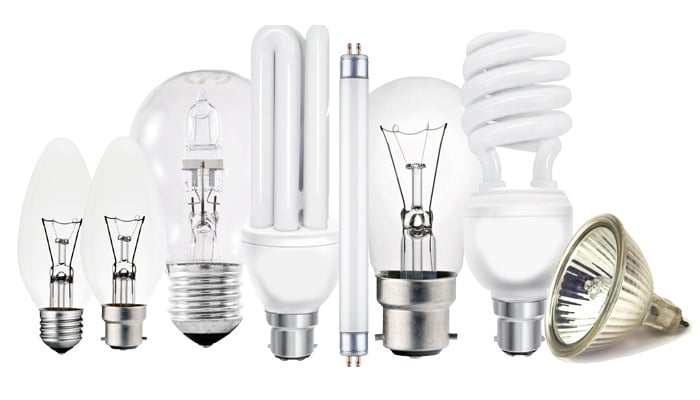
Technically, yes. All lights give off heat because producing light involves converting electrical energy, and some of that energy is inevitably released as thermal energy. The amount of heat produced varies depending on the type of light. Incandescent bulbs are the least efficient, releasing most of their energy as heat. Halogen lamps also emit a considerable amount of heat, though slightly less. Compact fluorescent lamps (CFLs) are more efficient and produce less heat, while light-emitting diodes (LEDs) are the most efficient, emitting minimal heat during operation. Despite these differences, no light source is completely free from heat emission.
In practical terms, all objects that emit visible light also emit some heat because energy conversion is never 100% efficient. However, some objects give off so little heat that it is negligible. For example, bioluminescent organisms such as fireflies and certain jellyfish produce light through chemical reactions that generate minimal heat. In technology, LEDs are an example, as they emit visible light with minimal heat compared to traditional lighting, though they are not entirely heat-free.
In Australia, traditional incandescent light bulbs have been largely phased out since 2009 as part of national energy efficiency regulations.
The ban applies to the sale of most general-purpose incandescent globes for household use, particularly those that are inefficient compared to modern alternatives. However, some specialised incandescent globes—such as those used in ovens, refrigerators, or for decorative or industrial purposes—are still permitted and available.
Retailers may also sell remaining stock that meets specific efficiency standards. For standard lighting needs, LEDs and compact fluorescents have effectively replaced incandescent options across the Australian market.
Are LEDs bright enough to upgrade to? LEDs are brighter or as bright as the globes they replace. Here's some information on why.
If you upgrade your lights to LED do they really save energy and your money? Can you really reduce your bills if you upgrade to LED?
Buying new globes? Should you buy halogen globes or LED? LED might be more expensive but they're worth it in the long run. Learn more.
You have the right to opt out of receiving marketing communications from us at any time and your personal information will be handled in accordance with Energy Makeovers' Privacy Policy.